Las Vegas HOAs Explained: What’s Normal, What’s Not, and What to Watch For
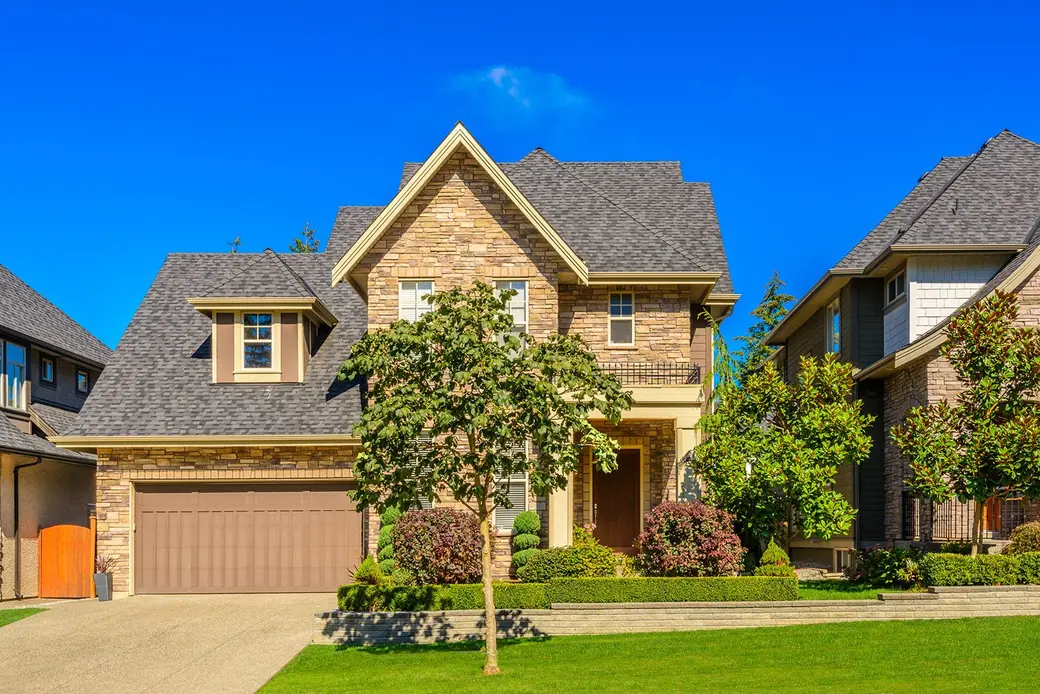
If you are buying a home in Las Vegas, chances are high that it comes with a homeowners association. In fact, the majority of master planned communities and newer developments throughout the Las Vegas Valley operate under an HOA. From Summerlin and Henderson to North Las Vegas and Southwest Las Vegas, HOA living is the norm rather than the exception.
Understanding how Las Vegas HOAs work is essential before you buy. Monthly dues, community rules, and financial health can all impact your lifestyle and long term investment. In this guide, you will learn what is typical for HOAs in Las Vegas, what should raise red flags, and what smart buyers should review before closing.
Are HOAs Common in Las Vegas?
Yes. HOAs are extremely common across Las Vegas and surrounding areas.
Most newer communities were built with structured neighborhood planning that includes shared amenities, landscaping, and architectural standards. Master planned communities like Summerlin, Inspirada, Green Valley Ranch, and Skye Canyon all operate with HOAs. Many neighborhoods even have layered associations, meaning a sub association for the neighborhood plus a master association for the larger community.
If you are relocating from a state where HOAs are rare, this can be surprising. In Las Vegas, avoiding an HOA significantly limits your housing options.
What Is Normal for HOA Fees in Las Vegas?
One of the most common questions buyers ask is, how much are HOA fees in Las Vegas?
Here is what is considered typical:
- Single family homes in standard communities: approximately $50 to $125 per month
• Master planned communities: $100 to $200+ per month depending on amenities
• Townhomes and condos: $200 to $400+ per month because exterior maintenance is often included
• Luxury or guard gated communities: fees can exceed $300 to $500 per month
In communities like Summerlin, you may pay both a master association fee and a sub association fee. This is normal and helps maintain parks, trails, landscaping, and community standards that protect property values.
Higher fees are not automatically bad. What matters is what you receive in return, such as:
- Community pools
• Fitness centers
• Guard gates
• Front yard landscaping
• Exterior maintenance
• Clubhouses and social programming
The key is understanding whether the value aligns with your lifestyle and budget.
What Do Las Vegas HOAs Typically Cover?
HOA coverage varies by community, but in Las Vegas you will commonly see:
- Maintenance of common areas and landscaping
• Community security or gate access
• Recreational facilities
• Management services
• Insurance for shared structures in condos or townhomes
In condo communities near the Las Vegas Strip or in Henderson, HOA dues may also include water, trash, and sewer. In single family neighborhoods, utilities are typically separate.
Always request and review the HOA resale package during escrow to confirm exactly what is covered.
What Is Not Normal for a Las Vegas HOA?
While most HOAs operate professionally, there are warning signs buyers should watch for.
Here are a few red flags:
- Very low reserves relative to the size of the community
• Pending litigation involving the HOA
• A history of large special assessments
• Poorly maintained common areas
• Excessively high delinquency rates among homeowners
A well run HOA should have healthy reserve funds. These reserves pay for long term repairs such as roof replacements in condos, repainting, gate repairs, and major landscaping upgrades. If reserves are underfunded, homeowners may face special assessments.
In a competitive Las Vegas real estate market, some buyers skip reviewing HOA documents to move quickly. That can be a costly mistake.
Common HOA Rules That Surprise Buyers
Las Vegas HOAs are known for maintaining neighborhood appearance. Some rules that frequently catch buyers off guard include:
- Restrictions on short term rentals
• Limitations on parking commercial vehicles or RVs
• Exterior paint color approvals
• Backyard structure guidelines
• Rental caps in condo communities
Short term rental restrictions are especially important in Las Vegas. Many HOAs prohibit Airbnb style rentals entirely, even though the city itself has regulations governing them.
If you plan to rent the property or operate it as an investment, verify the rental rules in writing before purchasing.
Pros and Cons of HOA Living in Las Vegas
Pros:
- Well maintained neighborhoods
• Protected property values
• Access to amenities
• Consistent community standards
Cons:
- Monthly fees
• Architectural restrictions
• Fines for rule violations
• Limited flexibility for modifications
In areas like Henderson and Summerlin, HOA communities tend to retain strong resale appeal because of consistent upkeep and neighborhood presentation. For many buyers, that tradeoff is worth the rules.
Financial Considerations When Buying in an HOA
When purchasing a home in Las Vegas with an HOA, factor in:
- Monthly dues
• Transfer or capital contribution fees at closing
• Potential special assessments
• HOA fee increases over time
Lenders will also evaluate HOA financial stability for condos and townhomes. If too many units are delinquent or the association is financially unstable, financing can become difficult.
Before closing, review:
- The HOA budget
• Reserve study
• Meeting minutes
• CC and Rs
• Recent assessment history
This due diligence protects both your lifestyle and your investment.
Mistakes Buyers Make With Las Vegas HOAs
Some of the most common mistakes include:
- Assuming all HOA communities are the same
• Ignoring the financial health of the association
• Failing to read rules about rentals
• Not budgeting for fee increases
• Overlooking layered master and sub associations
Each Las Vegas neighborhood has its own structure. A condo in Green Valley operates very differently from a single family home in Southwest Las Vegas or a luxury property in a guard gated Summerlin community.
Understanding those differences before making an offer prevents surprises later.
Frequently Asked Questions About Las Vegas HOAs
Are HOA fees required in Las Vegas?
If the property is located within an HOA community, yes. HOA dues are mandatory and enforced through recorded governing documents.
Can an HOA foreclose on a home in Las Vegas?
Yes. Under Nevada law, HOAs can pursue foreclosure for unpaid dues. This makes it critical to stay current on payments.
How do I find out the HOA rules before buying?
During escrow, sellers must provide an HOA resale package that includes governing documents, financial statements, and rules. Buyers should review these carefully before removing contingencies.
Are there homes in Las Vegas with no HOA?
Yes, but they are less common, especially in newer construction. You will typically find non HOA properties in older neighborhoods or certain custom home areas.
Do HOA fees increase in Las Vegas?
They can. Increases usually reflect rising maintenance costs, insurance premiums, or reserve funding needs. Reviewing past budgets can help you spot trends.
Final Thoughts on Las Vegas HOAs
HOAs are a standard part of homeownership in Las Vegas. When managed properly, they help maintain neighborhood quality, protect property values, and provide amenities that enhance daily life. However, not all associations are created equal.
The key is knowing what is normal in this market, understanding the financial structure behind the community, and reviewing all documents carefully before you buy.
If you are considering purchasing a home in Las Vegas and want guidance on evaluating HOA communities, working with a local real estate professional who understands the nuances of each neighborhood can make all the difference. The right advice upfront can save you from costly surprises and help you choose a community that fits both your lifestyle and long term goals.
Recent Posts








GET MORE INFORMATION