
Buying a Home Near Las Vegas Professional Sports Venues: Investment Strategy or Headache?

Las Vegas has undergone a massive transformation over the past decade, evolving from the entertainment capital of the world into a premier sports destination. With the arrival of the Las Vegas Raiders at Allegiant Stadium, the Vegas Golden Knights at T-Mobile Arena, the Las Vegas Aces at Michelob ULTRA Arena, and the upcoming Major League Baseball stadium on the Strip, real estate near these iconic venues has drawn intense interest from home buyers and property investors alike.
Deciding whether to buy residential real estate near a major Las Vegas sports stadium comes down to weighing rapid appreciation and high rental demand against game-day congestion and local zoning rules. Properties located within a short drive of major venues offer unique lifestyle and financial advantages, but they also bring operational challenges that require a careful strategy.
This guide explores the realities of purchasing a home or investment property near Las Vegas sports arenas, outlining key market trends, neighborhood options, financial considerations, and common pitfalls to avoid.
The Growth of the Las Vegas Sports Corridor
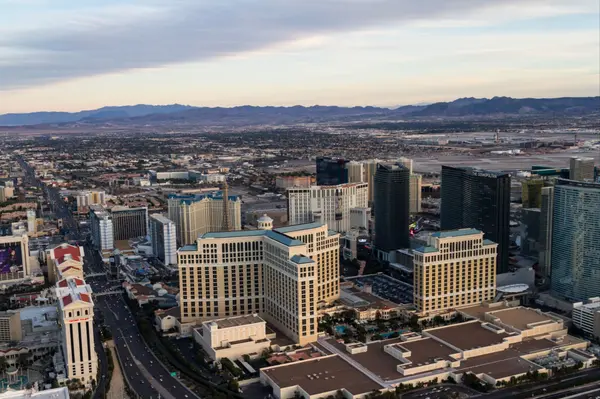
The expansion of professional sports in Southern Nevada has reshaped local property values. Venues clustered around the Las Vegas Strip and downtown corridor have anchored entire entertainment districts, driving municipal infrastructure upgrades and attracting commercial investment to surrounding neighborhoods.
Real estate submarkets near Allegiant Stadium and the Strip corridor have experienced increased buyer interest from out-of-state relocations, sports fans, and real estate investors looking to capitalize on long-term growth. When a major venue opens or expands, the immediate area typically sees road improvements, enhanced public transit access, and a surge in retail and dining options, all of which support overall property values.
Understanding the balance between potential property appreciation and daily living conditions is essential before making an offer near these high-traffic hubs.
Pros of Owning Property Near Las Vegas Sports Venues
Buying a home close to stadium hubs offers several distinct benefits for both primary homeowners and real estate investors:
-
Strong Long-Term Appreciation: Residential areas situated within three miles of major sports venues like Allegiant Stadium have historically outperformed average metro appreciation rates during major venue buildouts and expansion cycles.
-
High Demand for Rental Properties: Nearby properties appeal to sports industry professionals, stadium staff, corporate tenants, and long-term renters who desire quick access to the resort corridor.
-
Neighborhood Upgrades: Venue developments frequently catalyze local infrastructure improvements, including expanded roadway lanes, improved highway access along Interstate 15 and the 215 Beltway, and upgraded public utilities.
-
Unmatched Convenience: Residents enjoy walkable or brief rideshare access to world-class sports, concerts, and dining options without needing to navigate long highway commutes.
Challenges and Headaches of Sports-Adjacent Real Estate
Living or investing right next to a major stadium is not without its drawbacks. Buyers should prepare for a few key operational challenges:
-
Game-Day Traffic Congestion: Major events at Allegiant Stadium or T-Mobile Arena bring tens of thousands of visitors to the area, creating temporary road closures, bumper-to-bumper traffic, and delayed commute times.
-
Parking Stress: In residential pockets closest to venues, street parking can quickly fill up with event attendees trying to avoid paid stadium lots, leading to neighborhood congestion.
-
Noise and Event Lighting: Concerts, tailgating events, and late-night stadium lights can affect the immediate residential environment, particularly for homes directly bordering commercial corridors.
-
Strict Short-Term Rental Regulations: Investors expecting to buy a single-family home to run as an unlicenced Airbnb for game weekends often face strict Clark County and City of Las Vegas regulations, hefty fines, and limited licensing availability.
Key Las Vegas Neighborhoods to Consider
When evaluating real estate near sports venues, location within the valley determines both lifestyle and investment returns. Here are top neighborhood zones offering proximity to Las Vegas arenas:
Enterprise and Southwest Las Vegas
Located directly southwest of Allegiant Stadium, Enterprise and the broader Southwest Valley offer a balanced blend of modern single-family home subdivisions, townhomes, and luxury gated communities. These neighborhoods provide quick access to the stadium via Dean Martin Drive or Russell Road while maintaining a traditional suburban feel away from venue noise.
Spring Valley
Positioned west of the Las Vegas Strip, Spring Valley offers established housing options ranging from mid-century single-family homes to updated modern condominiums. Its central location makes it an ideal spot for buyers who want to be 10 minutes from T-Mobile Arena and Allegiant Stadium without paying immediate resort-corridor price premiums.
High-Rise Condos Along the Strip Corridor
For buyers seeking a lock-and-leave lifestyle right in the center of the action, high-rise condominium towers near Harmon Avenue, Tropicana Avenue, and Las Vegas Boulevard put residents within walking distance of T-Mobile Arena and Michelob ULTRA Arena. These properties often feature resort-style amenities, guard-gated security, and views of event venues.
Downtown Las Vegas and the Arts District
Located just north of the Strip, Downtown Las Vegas and the Arts District attract buyers who want an urban environment with local dining, art galleries, and easy highway access to both the Strip sports venues and downtown event spaces.
Financial and Buying Considerations
Investing near sports venues requires a realistic financial assessment beyond the initial purchase price:
-
HOA Rules and Leasing Restrictions: Many homeowners associations (HOAs) in Las Vegas enforce rental caps or minimum lease durations (such as 30-day or 6-month minimums), which impacts rental strategies.
-
Property Taxes and Valuations: Rising property values in sports-adjacent zones can lead to higher assessed property valuations over time, which buyers should factor into their monthly holding costs.
-
Insurance Considerations: Properties located in high-traffic commercial overlay zones or high-density corridors may require tailored insurance coverage depending on usage.
Common Mistakes Buyers Make in Stadium Districts
-
Assuming Short-Term Rentals Are Allowed Everywhere: Assuming any property near a venue can be rented out on a nightly basis for event weekends is a costly mistake. Always check local municipal jurisdiction rules (Clark County vs. City of Las Vegas) and specific HOA bylaws before purchasing.
-
Buying Too Close to Stadium Traffic Chokepoints: Properties sitting directly on primary event access roads experience maximum traffic friction. Purchasing just a few blocks off main arteries preserves accessibility while cutting down on noise.
-
Ignoring Future Commercial Zoning: Areas surrounding major arenas often undergo rezoning for commercial expansion. Reviewing local master plans helps ensure adjacent vacant lots will not turn into multi-story parking garages or commercial structures unexpectedly.
Frequently Asked Questions About Las Vegas Sports Real Estate
Do homes near Allegiant Stadium appreciate faster than other Las Vegas neighborhoods?
Properties located in submarkets within 1 to 3 miles of Allegiant Stadium have historically experienced higher appreciation rates than the broader metro average during venue construction and opening phases, supported by commercial development and infrastructure upgrades.
Can I rent out my home as a short-term rental during Las Vegas game weekends?
Short-term rentals are strictly regulated across Clark County and the City of Las Vegas. Properties must be properly licensed, comply with distance requirements between rentals, and abide by HOA rules. Unlicensed short-term rentals face substantial municipal fines.
How does game-day traffic affect daily living in nearby residential pockets?
Game-day traffic primarily impacts major arterial roads like Russell Road, Tropicana Avenue, and Dean Martin Drive. Residents who live in neighborhoods with dedicated interior access routes experience far less disruption than those living directly adjacent to stadium entry corridors.
Which Las Vegas neighborhoods offer the best balance of venue proximity and suburban living?
Southwest Las Vegas communities such as Enterprise and Spring Valley offer an ideal balance. They provide modern homes, top-rated park amenities, and suburban quiet while keeping drive times to Allegiant Stadium and T-Mobile Arena under 15 minutes.
Making the Right Real Estate Move in Las Vegas
Buying a home near Las Vegas sports venues can serve as a profitable real estate strategy or a comfortable lifestyle upgrade when approached with accurate local market knowledge. By analyzing traffic patterns, HOA regulations, municipal licensing laws, and long-term development trends, you can position yourself to capture appreciation while avoiding common homeowner headaches.
Whether you are looking for a primary residence in the Southwest, a high-rise condo on the Strip, or an investment property, partnering with an experienced local real estate professional ensures you make informed decisions tailored to your goals. Reach out today to explore available homes near Las Vegas sports venues and discuss your real estate strategy.
Recent Posts








GET MORE INFORMATION