Selling a Home in Las Vegas: Pricing Strategies That Actually Work

Selling a home in Las Vegas requires more than just listing your property and hoping for the best. With a dynamic local market influenced by tourism, new developments, and fluctuating demand, pricing your home correctly is one of the most important factors in achieving a successful sale. In this guide, you’ll learn practical strategies for setting the right price, understanding the Las Vegas market, and attracting serious buyers without leaving money on the table.
Understanding the Las Vegas Real Estate Market
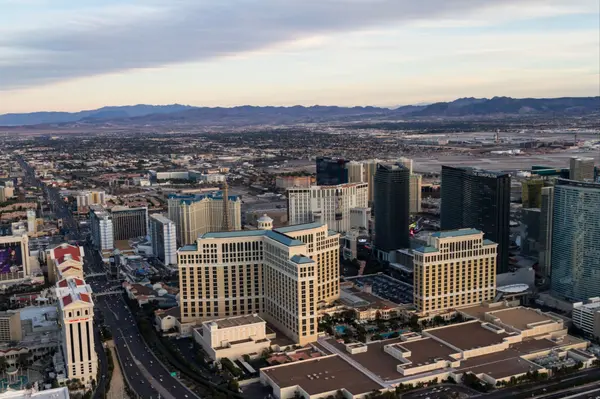
Las Vegas is unique compared to other cities in the U.S. The market is highly competitive, with fluctuations driven by seasonal buyers, investor activity, and shifts in the local economy. Homes in neighborhoods like Summerlin, Henderson, and Downtown Las Vegas can vary widely in demand and price trends. Sellers need to consider not only recent sales in their area but also current inventory levels, neighborhood appeal, and the types of buyers actively looking in the city.
The Importance of Correct Pricing
Setting the right price from the start is crucial. Overpricing a home can lead to long days on the market, fewer showings, and eventual price reductions that can make buyers skeptical. Underpricing may spark quick interest but can leave money on the table. The goal is to find a balanced price that attracts buyers while maximizing your return.
Effective Pricing Strategies for Las Vegas Homes
1. Comparative Market Analysis (CMA)
A CMA is an essential tool for sellers in Las Vegas. This analysis looks at recently sold homes with similar features, square footage, and location. Pay close attention to:
- Homes sold within the last 90 days
- Properties in the same neighborhood or subdivision
- Similar home size, age, and amenities
A CMA provides a realistic price range, helping you avoid overpricing or undervaluing your home.
2. Pricing to Market Demand
Las Vegas buyers are highly responsive to market trends. Homes priced competitively tend to generate more interest, multiple offers, and sometimes even bidding wars. Consider the following:
- Monitor current active listings for similar homes
- Identify price points that have attracted buyers recently
- Adjust for seasonal trends, as activity can peak in spring and summer
3. Strategic Price Points
Numbers ending in 9, such as $499,000 instead of $500,000, can psychologically appeal to buyers and increase search visibility on listing platforms. Additionally, pricing slightly below perceived thresholds, such as the $600,000 mark, can bring your listing into more searches and attract budget-conscious buyers.
4. Highlight Unique Value
If your Las Vegas home offers features not common in your neighborhood, such as a pool, updated kitchen, or energy-efficient upgrades, factor these into your pricing. Buyers are willing to pay a premium for standout features that improve lifestyle or save money long-term.
5. Avoid Frequent Price Reductions
Frequent price drops can signal desperation and reduce buyer confidence. Instead, price strategically from the start, incorporate minor enhancements, and stage your home effectively to justify your asking price.
Common Pricing Mistakes in Las Vegas
- Ignoring local trends and relying solely on online estimates
- Setting emotional prices instead of market-driven prices
- Failing to account for necessary repairs or updates
- Overestimating the value of upgrades that are not in demand locally
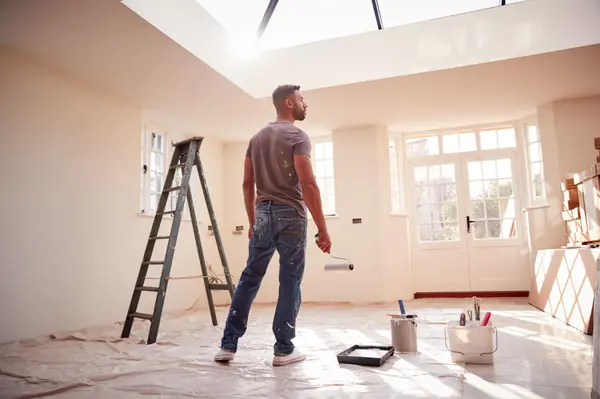
Tips for Preparing Your Home Before Pricing
- Stage rooms to showcase space and functionality
- Make minor repairs and updates to increase perceived value
- Use professional photography to capture your home’s best features
- Highlight the lifestyle of your neighborhood, including schools, parks, and amenities
FAQ: Selling a Home in Las Vegas
How do I determine the right price for my Las Vegas home?
Conduct a comparative market analysis, consider current inventory and recent sales, and consult with a local real estate expert who knows your neighborhood.
Should I price my home slightly higher to leave room for negotiation?
In Las Vegas, it’s often better to price competitively from the start. Overpricing can discourage buyers and extend your time on the market.
How much do upgrades affect my home’s selling price?
High-demand upgrades like modern kitchens, energy-efficient appliances, and updated bathrooms can add value. Less impactful upgrades may not significantly influence buyer offers.
Is it better to price slightly below market value?
Pricing just below market value can attract more buyers, increase showings, and sometimes result in multiple offers above asking price.
How often should I adjust my listing price?
Adjust only if your home isn’t attracting interest after several weeks. Sudden or frequent reductions can undermine perceived value.
Conclusion
Pricing a home in Las Vegas requires a careful balance of market insight, neighborhood knowledge, and buyer psychology. By using strategies like a thorough CMA, competitive pricing, and highlighting your home’s unique features, you can attract serious buyers and maximize your return. Working with a local real estate professional ensures your pricing strategy aligns with current Las Vegas trends and buyer behavior, helping your home sell quickly and efficiently.
Recent Posts






GET MORE INFORMATION